| TENNESSEE GENEALOGICAL SOCIETY | Member Log In |

Germantown Regional History and Genealogy Center Library
Normal Library Hours Monday - 10:00 am to 2:00 pm HOLIDAY CLOSINGS The library is closed on the following holidays: New Year's Day, Martin Luther King, Jr. Day, President's Day, Good Friday, Easter, Memorial Day, Fourth of July, Labor Day, Thanksgiving Day and the following Friday, and Christmas Day. The library is also closed during the Germantown Festival in September. The library may be closed on other days. Those closings will be posted on the home page. |
|
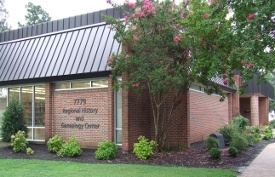
The Germantown Regional History and Genealogy Center (GRHGC) is the special collections division of the Germantown Community Library. It serves as a repository and research center for genealogical and historic materials, Southern culture and the Germantown History Collection.
The GRHGC was made possible in large part by generous funding and in-kind donations from the Germantown Civic Club and the Tennessee Genealogical Society.
GRHGC Library Resources
- 18,000+ genealogical, family, and history books
- Special Collections:
- Germantown History
- Civil War
- Family Surname Books and Collections
- Memphis Belle Records
- Native American
- Tennessee Bar Oral Histories
- African-American
- European Roots & Heraldry
- Hispanic
- Microfilms of tax lists, vital statistics, early newspapers
- Vertical files of family charts, documents, and other papers
- CDs of genealogical data
- Databases (available on all library computers)
- Ancestry.com Library Edition
- Fold3 - Historical military records
- Newspapers.com
- AmericanAncestors.org
- HistoryGeo
- HeritageQuest
- Microfilm and microfiche reader with copier
- A combination Copier/Printer, with copies at 20 cents per page (bring correct change)
- Free wireless Internet access
- Electrical outlets on study tables
How do you search the Regional History and Genealogy Center Catalog?
|
FamilySearch Affiliate
FamilySearch announced a service to be provided by certified affiliate libraries for researchers. Most records with access restrictions could be viewed only at a FamilySearch Center (usually located in an LDS Church building) or at the FamilySearch Library in Salt Lake City. The access restrictions are due to data privacy or due to contractual agreements with custodians of the original records. FamilySearch is working to ease these restrictions. GRHGC and other FamilySearch affiliate libraries have access to nearly all of the restricted image collections for researchers to view. There will still be restrictions on a small number of records until those restrictions expire.
While the microfilm and microfiche lending program has been discontinued, GRHGC retains copies that were previously acquired. These may be viewed in our library. Review the list of microfilm at GRHGC: FamilySearch Extended Films _ Fiche.pdf
Giving to the Library
We welcome donations!
Click here for more information about donating to the library --> GRHGC Donation Policy 2023.pdf
Volunteers are a key to making the Germantown Regional History and Genealogy Center a success. They shelve and label books, assist the librarian with patrons and special projects, and help patrons with genealogy activities. When you volunteer at the Germantown Regional History and Genealogy Center, you are volunteering with the City of Germantown.
Interested? Please fill out the 2022LibraryVolunteerApplication.pdf form and send it to Octavia Ashby.
If you have a Volunteer Application Form already on file, and have been through GRHGC volunteer orientation, please use SignUp Genius to schedule volunteering at the library.
GRHGC Contact Information: |
Contact us :
| Physical Address: |